Can Green Tea Extract Cause Remission in CLL
Published 2026-02-23 · cll, blood caner, green tea, egcg · MyCBC Blog
Can Green Tea Extract (EGCG) Cause Remission in CLL? What the Evidence Really Shows
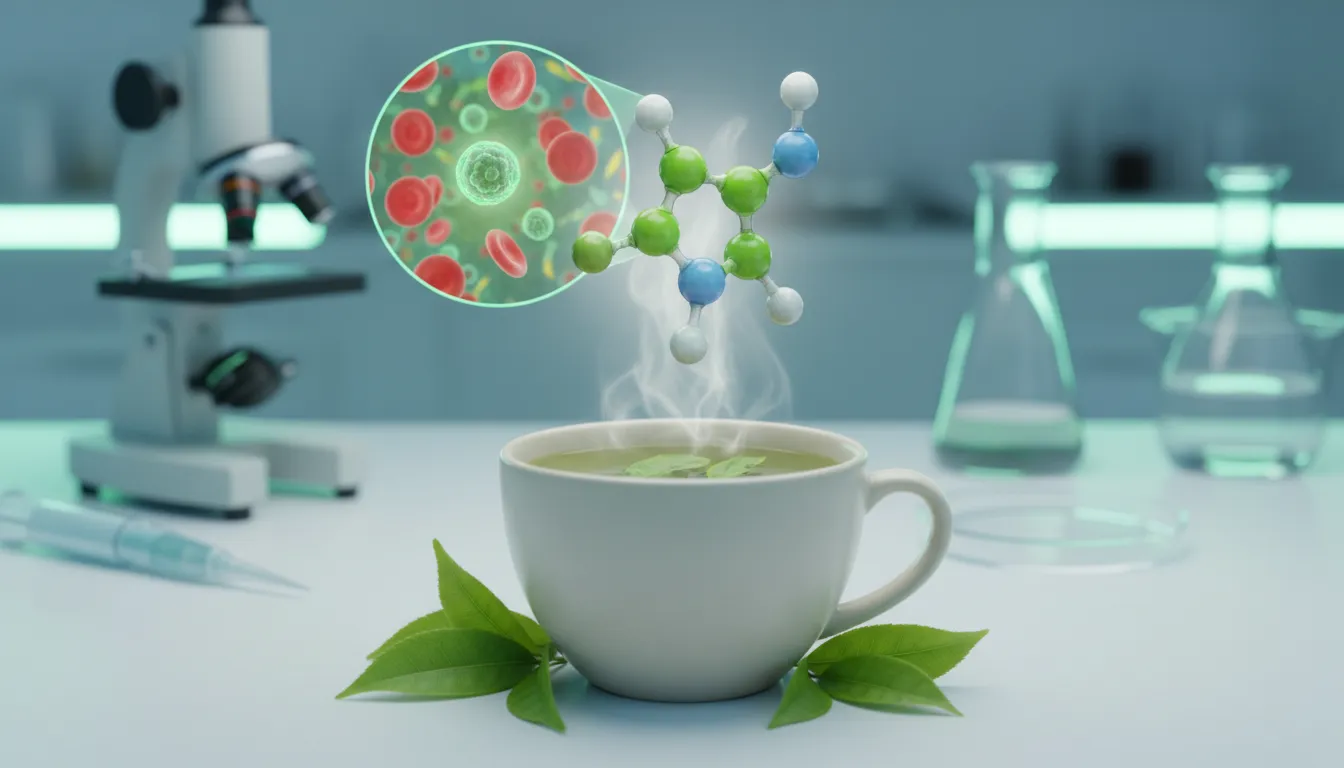
People ask whether green tea or its active compound epigallocatechin‑3‑gallate (EGCG) can treat or even cure chronic lymphocytic leukaemia (CLL). The short answer: current evidence is intriguing but not conclusive. EGCG has biological activity against CLL cells in lab studies and there are small clinical reports suggesting benefit, but it is not an established cure. This article explains the science, reviews the clinical evidence, and gives practical, safety‑focused guidance for people considering EGCG as part of an integrative approach.
What is CLL and why might EGCG matter?
Chronic lymphocytic leukaemia is a slow‑growing blood cancer that primarily affects mature B lymphocytes. Many people with early CLL are monitored without immediate therapy, while others eventually need targeted drugs, chemotherapy or immunotherapy.
EGCG is the most abundant catechin in green tea. It has antioxidant, pro‑apoptotic and signalling‑modulating effects in cell culture and animal models. These laboratory actions include:
- Promoting apoptosis (programmed cell death) in malignant B cells
- Inhibiting proliferation by interfering with growth‑promoting signalling pathways
- Modulating the tumour microenvironment and inflammatory mediators
Because CLL is often slow moving and biologically distinct from aggressive leukaemias, compounds that alter signalling or immune interactions have attracted research interest.
What does the clinical evidence say?
Laboratory and early‑phase human studies
Preclinical studies repeatedly show that EGCG can kill or slow CLL cells in vitro. These findings justified early human studies and compassionate‑use reports. Small clinical trials of standardised EGCG preparations have reported reductions in lymphocyte counts and shrinkage of lymph nodes in some patients with early CLL or monoclonal B‑cell lymphocytosis.
Case reports and small series
There are individual published cases where patients with CLL experienced substantial improvements after structured EGCG use alongside lifestyle measures or other supplements. Case reports cannot prove cause and effect, but they do provide hypothesis‑generating observations that inform larger trials.
Limitations of current trials
- Most human data are from small, non‑randomised trials or single‑arm studies.
- Doses, formulations and duration of EGCG varied across studies, making direct comparison difficult.
- Follow‑up time in many reports is limited, so long‑term durability of response is uncertain.
How was EGCG dosed in studies?
Clinical trials typically used concentrated, standardised green tea extracts rather than brewed tea. Doses reported in the literature vary but are generally much higher than what would be obtained from drinking green tea alone. Trials and case reports have used daily EGCG doses ranging from several hundred milligrams up to a few grams per day. High doses were sometimes required to produce measurable effects on blood counts or lymph nodes.
Important note: high‑dose EGCG supplements are not the same as drinking several cups of green tea and carry a different safety profile.
Safety, interactions and what to watch for
EGCG is not risk‑free. The main safety concerns are:
- Liver toxicity – Acute liver injury has been reported with concentrated green tea extracts, particularly at higher doses.
- Drug interactions – EGCG can alter drug metabolism and has documented interactions with anticoagulants, certain chemotherapy agents and other prescription medicines.
- Gastrointestinal upset – Nausea and abdominal pain are relatively common with supplements.
- Variable quality – Dietary supplements are not regulated to the same standard as medicines; product purity and EGCG content can vary.
To reduce risk if EGCG is being considered:
- Discuss with your haemato‑oncologist first. Many clinicians will want to know about any supplements because of interaction risks and the potential to alter monitoring decisions.
- Obtain baseline tests. Check liver function tests, full blood count and any other relevant markers before starting EGCG and at regular intervals while using it.
- Choose standardised products. Prefer well‑characterised, third‑party tested formulations rather than unlabelled or multi‑ingredient blends.
- Start low and monitor. If used, begin at a conservative dose and increase only under medical supervision with scheduled monitoring.
- Avoid combinations that may interfere with planned cancer treatments. Some natural compounds can reduce efficacy or increase toxicity of anticancer drugs.
Common questions (People Also Ask)
Can drinking green tea prevent or treat cancer?
Regular green tea consumption has been associated with modest reductions in risk for some cancers in population studies, but it is not a proven preventive or curative therapy. The amounts of EGCG used in therapeutic studies are usually much higher than what is obtained from drinking tea.
Is EGCG a substitute for standard CLL therapy?
No. EGCG should not replace evidence‑based CLL treatments. In early or indolent disease some patients are managed with observation; for those who require therapy, proven drug regimens deliver predictable benefit. EGCG may be discussed as a complementary approach under close medical supervision, not as a replacement for indicated treatments.
What monitoring is needed if I take EGCG?
Typical monitoring includes regular liver function tests, full blood counts and clinical review. Frequency should be individualised but commonly involves checks every 4–12 weeks during dose changes and at least every 3 months when the dose is steady.
Practical checklist for patients considering EGCG
- Ask your oncology team whether EGCG is safe alongside your current medications and disease state.
- Get baseline blood tests including LFTs and full blood count.
- Select a quality product from a reputable manufacturer with third‑party testing.
- Agree a monitoring plan with your clinician before starting.
- Record symptoms such as nausea, jaundice, abdominal pain or unusual bruising and report them immediately.
- Stop before surgery and inform your surgical and anaesthetic teams about any supplements.
What to expect from EGCG use in CLL
Some patients in early studies experienced modest improvements: lower lymphocyte counts, smaller lymph nodes and improved symptoms. Responses are variable and often partial. Complete molecular remission is rare and, according to current evidence, cannot be reliably produced by EGCG alone. That said, EGCG remains a candidate for further research because of its biological effects and tolerability in many people when used carefully.
Bottom line
EGCG has promising biological activity against CLL in laboratory models and has produced measurable responses in a subset of small clinical studies and case reports. However, it is not an established curative therapy and it carries safety and interaction risks, especially at high doses. Anyone considering EGCG should discuss it with their haemato‑oncology team, choose a quality product, obtain baseline testing and agree close monitoring. More rigorous clinical trials are needed to define who, if anyone, may benefit and at what dose and combination.
Key takeaways
- Evidence is promising but preliminary. EGCG has activity against CLL cells but definitive proof of a curative effect is lacking.
- Safety matters. High‑dose supplements can cause liver injury and interact with drugs.
- Medical supervision is essential. Do not self‑prescribe high‑dose EGCG in place of recommended care.