Chronic lymphocytic leukaemia CLL: What it is, symptoms, diagnosis and living well
Published 2025-12-29 · MyCBC Blog
Chronic lymphocytic leukaemia CLL: What it is, symptoms, diagnosis and living well

Photo by Testalize.me on Unsplash
Chronic lymphocytic leukaemia CLL is a type of blood cancer that often develops slowly and can be managed for years. This guide explains what CLL is, how it differs from related conditions, common signs and tests, when treatment is needed and practical steps for living well while monitored for the disease.
What is chronic lymphocytic leukaemia CLL?
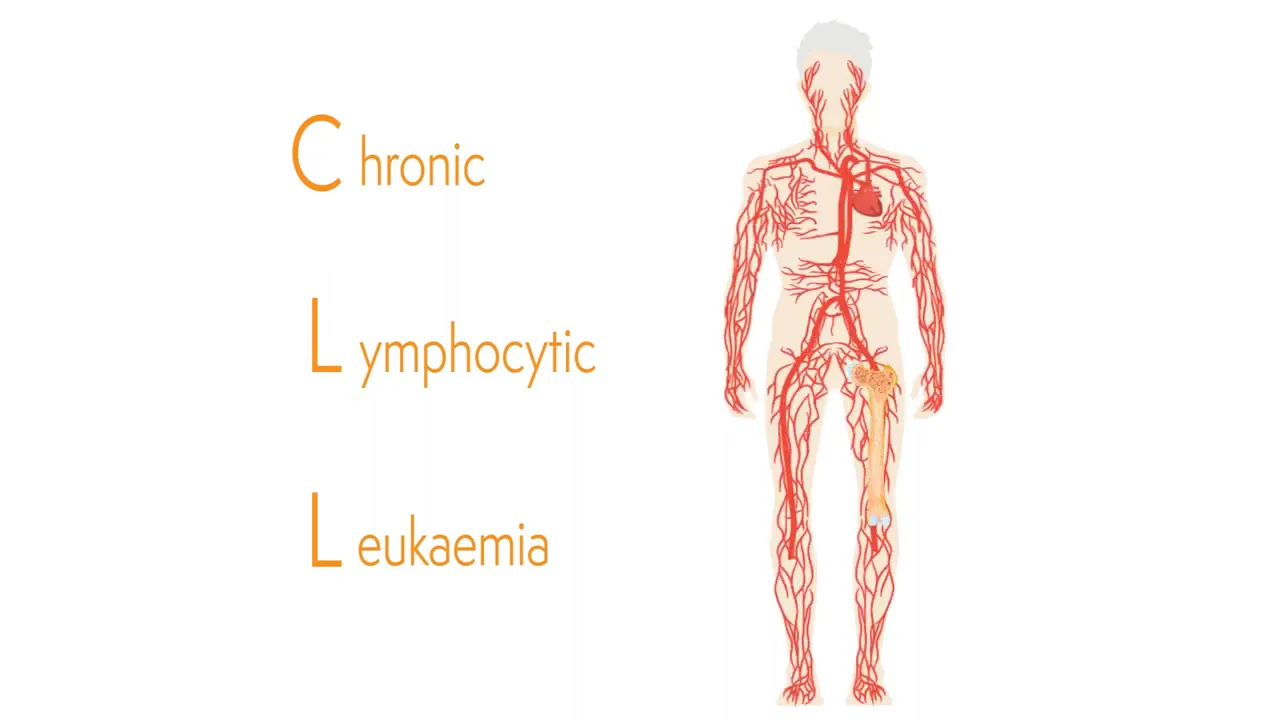
Chronic lymphocytic leukaemia CLL is a cancer of a specific white blood cell called the B lymphocyte. These cells normally make antibodies to fight infection. In CLL the body produces abnormal B cells that accumulate in the blood, bone marrow and sometimes lymph nodes. Because CLL often progresses slowly, many people feel well when the condition is first found.
Why the name matters: CLL versus SLL
Two names describe the same disease cells in different places:
- CLL (chronic lymphocytic leukaemia) refers to when abnormal B cells are present mainly in the blood and bone marrow.
- SLL (small lymphocytic lymphoma) refers to the same cell type when it is primarily in lymph nodes and not floating in the blood.
Treatment approaches are similar for CLL and SLL, because the underlying abnormal cell type is the same. The main difference is where the cells are most concentrated and how the disease first presents.
Common symptoms and signs to watch for
Many people with chronic lymphocytic leukaemia CLL have no symptoms at diagnosis. When symptoms occur they usually develop gradually. Key signs include:
- Enlarged lymph nodes in the neck, armpits or groin that may feel like painless swellings.
- Frequent or severe infections such as chest or sinus infections due to changes in immune function.
- Fatigue and breathlessness from anaemia when the bone marrow is affected.
- Night sweats, unexplained weight loss and persistent fever.
- Easy bruising or bleeding if platelets are low.
- Enlarged spleen that can cause a feeling of fullness or reduced appetite.
How CLL is diagnosed
Diagnosis usually begins with a routine blood test showing a high lymphocyte count. Further tests confirm the diagnosis and assess severity:
- Full blood count with differential to measure lymphocytes, red cells and platelets.
- Flow cytometry on blood to identify the specific markers of the abnormal B cells.
- Bone marrow biopsy in some cases to check marrow involvement and rule out other conditions.
- Imaging such as ultrasound or CT scan if there are symptoms from lymph nodes or spleen.
- Genetic and molecular tests on CLL cells to help predict likely disease behaviour and to guide treatment choices.
When treatment is needed (and when observation is appropriate)
Not everyone with chronic lymphocytic leukaemia CLL needs immediate treatment. Many people are followed under active monitoring often called watch and wait. Treatment is recommended when:
- Symptoms are affecting quality of life such as severe fatigue, weight loss or night sweats.
- Significant anaemia or low platelets develop due to marrow failure.
- Rapidly enlarging lymph nodes or spleen cause pain or pressure effects.
- Repeated or severe infections indicating immune dysfunction.
Treatment options have improved considerably and include targeted oral drugs, immunotherapy and chemotherapy in selected situations. Choice of therapy depends on symptoms, test results and individual health.
Living with CLL: practical advice
Receiving a diagnosis of chronic lymphocytic leukaemia CLL can be emotionally difficult. Practical steps that help include:
- Regular follow up with blood tests and clinical reviews to detect change early.
- Vaccinations as advised by specialist, since infection risk is higher; discuss timing with your clinician.
- Infection prevention such as prompt treatment of infections and hand hygiene.
- Report new symptoms early such as persistent fever, night sweats, rapid weight loss, increasing fatigue or new lumps.
- Emotional support from family, support groups or counsellors. Many people find peer support helpful when adapting to a long term diagnosis.
- Maintain general health through balanced diet, gentle exercise and managing other medical conditions.
Common misconceptions and things to watch out for
- Misconception: CLL always requires immediate treatment. Many people do not need therapy for years and can live well with observation.
- Misconception: CLL is the same for everyone. The pace of disease varies widely; genetic tests and clinical features influence outlook and treatment choices.
- Edge case: low blood counts without symptoms. Low red cells or platelets may still need treatment if they affect daily life or are progressive.
- Watch out for infections. Early antibiotic treatment and specialist advice about immunoglobulin replacement therapy may be needed for recurrent infections.
Questions to ask your doctor
- What is the stage of my condition and what tests support that?
- Do I need treatment now or is monitoring recommended?
- Which genetic or molecular tests have been done and what do the results mean?
- What symptoms should prompt me to call the clinic urgently?
- Are vaccinations or preventive measures advised for me?
- Where can I find support services or reliable patient information?
Summary and key takeaways
Chronic lymphocytic leukaemia CLL is a slow-growing cancer of the B lymphocyte that is often found incidentally. Many people live symptom-free under regular monitoring. Symptoms that signal progression include frequent infections, fatigue from anaemia, night sweats, weight loss and enlarging lymph nodes or spleen. Diagnosis is confirmed with blood tests and specialised lab tests. Treatment is reserved for those with symptoms or blood count changes and modern therapies offer effective options. Practical self-care, infection prevention and emotional support are important parts of living well with CLL.